Aegis Combat System: How It Works and Which Ships and Countries Use It
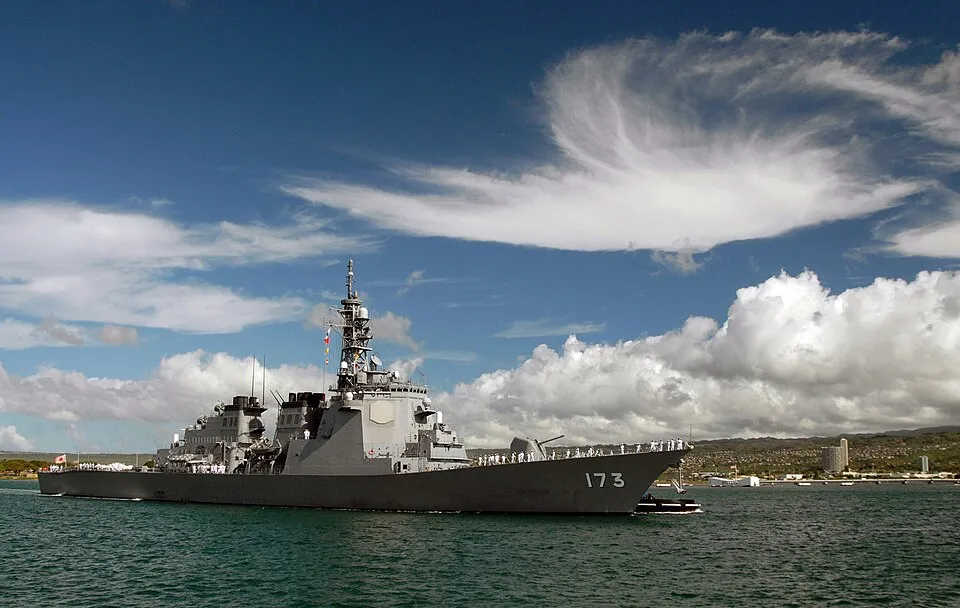
When US destroyers in the Red Sea intercepted missiles and drones launched from Yemen from late 2023 onwards, the system behind those interceptions was called Aegis. It is not merely a missile or a radar, but an integrated combat “brain” that links the radar, the computers and the missiles aboard the ship. This guide explains what the Aegis system is, how it works, the ships and countries that use it, and why it has become prominent in regional news.
What is the Aegis system?
The US Navy defines the Aegis Weapon System (AWS) as a centralised, automated command, control and weapons control system, designed as an integrated combat system “from detection to destruction”. The name “Aegis” is taken from the legendary shield of Greek mythology. The manufacturer, Lockheed Martin, has developed the system for decades in cooperation with the US Navy.
The heart of the system: the SPY radar
According to the US Navy, the heart of Aegis is the AN/SPY multifunction phased-array radar, a high-power radar that can search, track and guide missiles at the same time, with the ability to track more than 100 targets. Unlike conventional rotating radars, a phased-array radar does not need to rotate, as it steers its beams electronically and very quickly in different directions. For a comparison of radar types, see our guide on the PESA radar.
The first developmental model of the SPY-1 radar was installed on the test ship Norton Sound in 1973, and the newer SPY-6 radar is now being introduced on Flight III destroyers together with the Aegis Baseline 10 version.
How does Aegis work?
- Detection: the SPY radar detects aircraft, missiles and drones at long distances.
- Decision: the computerised command-and-decision element processes the data and prioritises threats.
- Engagement: the system launches the appropriate missiles from Mk 41 vertical launch cells, including the various Standard missiles, and guides them toward their targets.
- Multiplicity: it manages warfare against air, surface and subsurface targets at the same time.
With upgrades, a ballistic missile defence capability was added, through missiles such as the SM-3, alongside the SM-2, SM-6 and ESSM missiles. In an earlier report we covered the SM-6 missiles and the possibility of their arrival in the Gulf.
Ships that carry Aegis
The first ship fitted with Aegis, the cruiser Ticonderoga (CG 47), entered service in 1983. Then came the Arleigh Burke-class destroyers, the first of which entered service on 4 July 1991 and which became the backbone of the US surface fleet. In its fact file, the US Navy stated that 84 US ships were equipped with Aegis: 22 cruisers and 62 destroyers, with additional new ships under construction at the time.
Countries that use Aegis
Lockheed Martin says Aegis equips more than 120 ships around the world, and that its users include:
- The United States.
- Japan.
- Australia.
- South Korea.
- Spain.
- Norway.
- Canada (under its new ship programme).
A land-based version named “Aegis Ashore” has also been developed for missile defence from ground sites. No Arab country operates Aegis so far.
Aegis in the Red Sea
Since October 2023, US destroyers equipped with Aegis have been the first line of defence against missiles and drones launched by the Houthi group toward commercial and military ships in the Red Sea and the Gulf of Aden. These operations showed the system’s ability to deal with multiple threats in a short time, but they also highlighted an economic issue: expensive interceptor missiles are sometimes used against low-cost drones such as the Shahed-136.
Frequently asked questions about the Aegis system
Is Aegis a missile?
No, it is an integrated combat system that links the radar, computers and launchers, and uses missiles such as the SM-2, SM-3 and SM-6.
How many targets can Aegis track?
More than 100 targets at the same time, according to the US Navy.
Which countries have Aegis?
The United States, Japan, Australia, South Korea, Spain and Norway, with Canada joining.
When did the first Aegis ship enter service?
In 1983, with the cruiser Ticonderoga.
Summary
Aegis is the shield around which modern American naval power was built, and today it is at the heart of the confrontations taking place in Arab sea lanes. Understanding how it works explains why destroyers have become mobile air and missile defence platforms, and what challenges they face from swarms of cheap drones.