Saudi Arabia widens air defence sourcing to Ukraine and South Korea as interceptor stocks strain
Saudi Arabia is broadening its sources of air and missile defence beyond the United States, turning to Ukraine, South Korea and other suppliers, according to a Los Angeles Times report published on 22 November 2026 and relayed by international outlets on 23 November. The report links the shift to the pressure Iranian and Houthi drone and missile attacks are placing on interceptor stocks, and to long production lead times at Western manufacturers.
What the report says
As relayed from the newspaper, Riyadh, traditionally one of the largest buyers of US weapons, wants to replenish depleted interceptor inventories and reduce single-supplier dependence, while backing domestic production through partnerships with defence start-ups. Unnamed analysts cited in the report estimate the kingdom had used about 86% of its interceptor inventory by July 2026. Saudi Arabia does not publish stockpile data, so the figure remains an unconfirmed estimate.
Citing Lockheed Martin personnel, the report notes the standard practice of firing two interceptors at each incoming threat, which doubles consumption against cheap drones. It puts PAC-3 output at slightly more than 600 missiles a year.
The Korean track
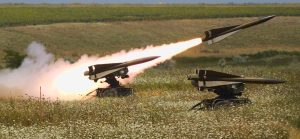
The Korean element predates the current crisis. In February 2024 Saudi Arabia ordered ten batteries of the Cheongung-II (M-SAM Block-II) medium-range system, a deal valued at about $3.2 billion and built by LIG Nex1 and Hanwha. At the World Defense Show in February 2026, a Hanwha Aerospace representative said first Saudi systems were expected in 2028, with the schedule not yet final. Korean media reported in April 2026 that Riyadh had asked whether deliveries could be accelerated. The UAE already operates the system and Iraq ordered eight batteries in 2024.
The Ukrainian track
During President Volodymyr Zelensky’s visit to the kingdom on 26-27 March 2026, the two defence ministries signed a memorandum on defence procurement, according to the Saudi Press Agency as reported by Reuters. Zelensky said it laid the groundwork for future contracts, technology cooperation and investment. Kyiv’s offer centres on low-cost interceptor drones developed against Shahed-type attacks.
Localisation
The report adds that SR2 Defense Systems is working with US firm Vector on attritable systems and building a factory near Riyadh for the Skywasp drone. That fits Vision 2030’s goal of localising more than half of military spending, a target overseen by the General Authority for Military Industries (GAMI), the kingdom’s defence industry regulator.
Why it matters
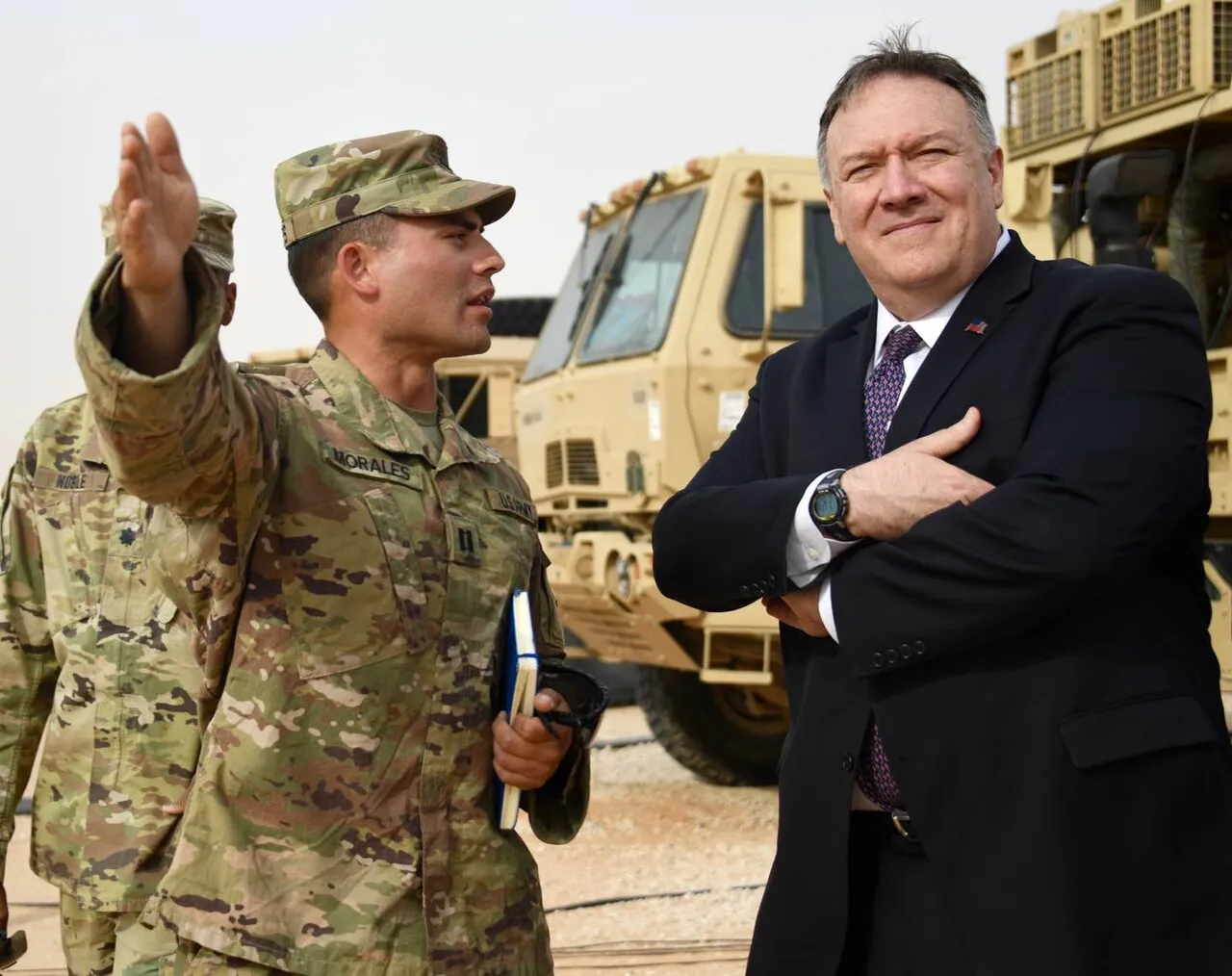
The report credits Saudi Arabia with at least six THAAD batteries and 108 Patriot launchers, expensive layers designed for ballistic threats. The most frequent threats, however, are low-cost drones and cruise missiles, which explains the search for a medium tier (Cheongung-II) and a cheap lower tier (interceptor drones and guns). Attrition figures and details of any new deals remain attributed to press reporting; no Saudi official statement confirming or denying them has been issued so far.