Patriot GEM-T missiles for Saudi Arabia
 Saudi Arabia ←
 United States
Deal progress
Current status: Sale approved — latest milestone in 2022. Not every deal goes through every stage; a government sale approval, for example, applies only in some supplier countries.
Deal details
Saudi Arabia is acquiring Patriot GEM-T missiles from the United States, with Raytheon named as the manufacturer. It is classed under air defence. The announced quantity is 300 missiles, and the value is put at $3.05 billion (DSCA estimate).
The supplier government approved the sale in 2022. Approval is not a signed contract, and the quantity and value may change once one is concluded.
Details: Approved on 2 August 2022.
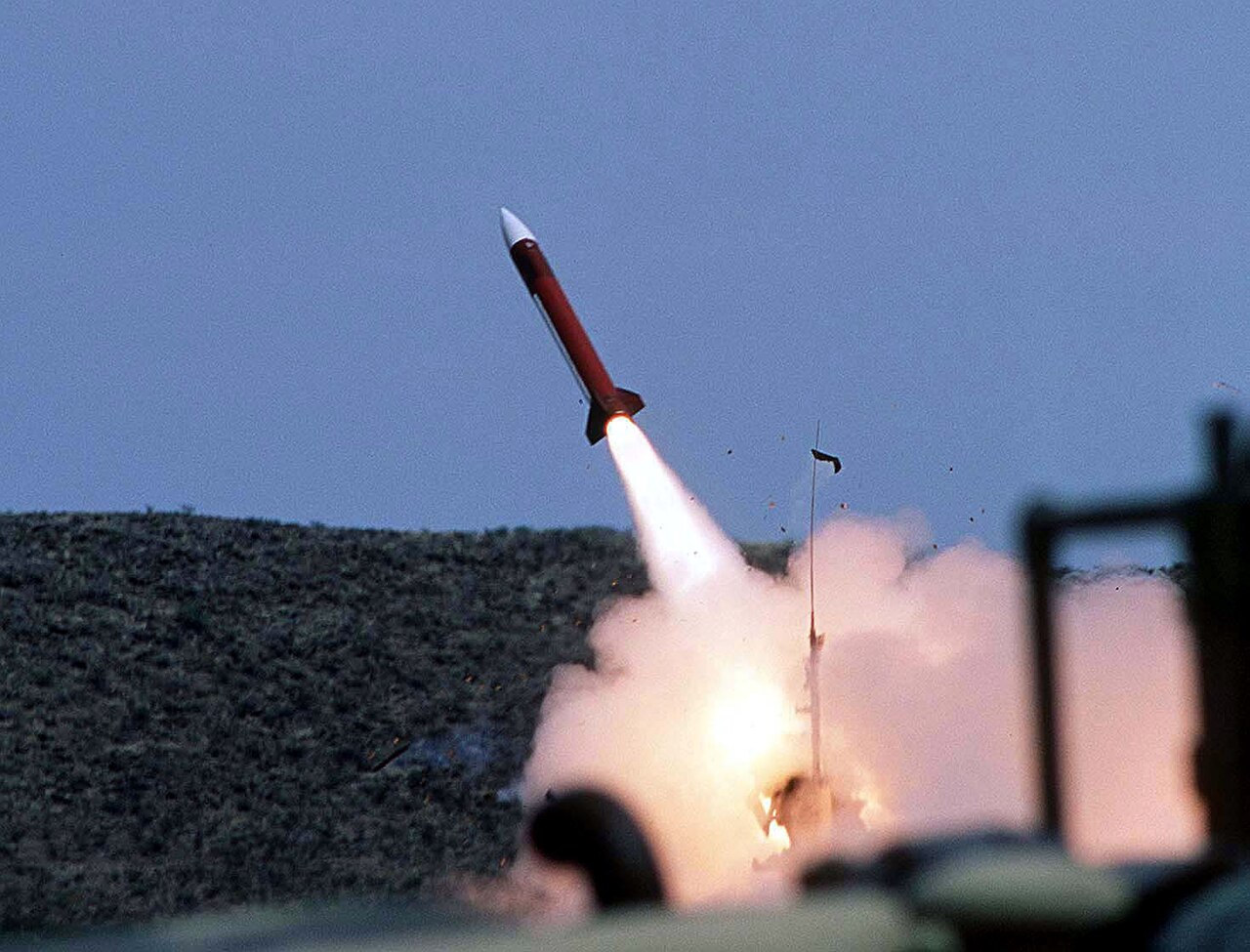
What is the Patriot PAC-2 GEM-T interceptor?
GEM-T stands for Guidance Enhanced Missile-Tactical. It is the latest version of the PAC-2 family of interceptors fired by the Patriot air and missile defence system and carries the US designation MIM-104E. It is built by Raytheon, part of RTX, with some parts made in Europe by COMLOG, a joint venture between Raytheon and MBDA Germany that has opened a new production line in Schrobenhausen.
The missile deals with three categories of target: hostile aircraft, cruise missiles and tactical ballistic missiles. In modern batteries it works alongside the smaller PAC-3, with GEM-T covering longer distances and air-breathing targets while PAC-3 specialises in destroying ballistic warheads by direct hit. Bringing it into service requires no changes to the system’s launchers, since like its predecessors it is stored, transported and fired from a sealed canister.
How it works and what sets it apart
GEM-T is the product of a series of successive upgrades. The first GEM version was delivered in 1995 with a faster fuze and a low-noise seeker to counter Scud-type missiles, followed in 2002 by GEM+ with an ultra-low-noise oscillator that improves target acquisition amid ground clutter. The tactical version added a modern digital fuze that makes intercepts of ballistic missiles more effective, a more sensitive seeker and a modified datalink that improves the signal-to-clutter ratio when tracking small targets. The missile receives guidance commands from the system’s ground radar, then detonates its fragmentation warhead close to the target.
GEM-T and PAC-3 missiles saw combat during the 2003 Iraq war. Today 19 countries rely on Patriot, nine of them in Europe. Demand for the missile rose sharply after the war in Ukraine: Raytheon signed a $3.7 billion contract to supply Kyiv with these missiles from the German production line, and the company is expanding capacity to meet orders from international customers.
Key specifications
| Role | Intercepting aircraft, cruise missiles and tactical ballistic missiles |
|---|---|
| Manufacturer | Raytheon (RTX), with European production through COMLOG in Germany |
| Military designation | MIM-104E |
| Launch system | Patriot |
| Range | About 160 km (published estimate for the PAC-2 family) |
| Warhead | High-explosive fragmentation with digital fuze |
| First combat use | Iraq, 2003 |