Patriot PAC-2 GEM-T and PAC-3 MSE missiles for Qatar
 Qatar ←
 United States
Deal progress
Current status: Sale approved — latest milestone in 2026. Not every deal goes through every stage; a government sale approval, for example, applies only in some supplier countries.
Deal details
The deal covers Patriot PAC-2 GEM-T and PAC-3 MSE missiles for Qatar, supplied by the United States; Raytheon / Lockheed Martin is listed as the manufacturer. It is classed under air defence. The announced quantity is 200 + 300 missiles, and the value is put at $4.01 billion.
The supplier government approved the sale in 2026. Approval is not a signed contract, and the quantity and value may change once one is concluded.
Details: Emergency approval in May 2026 to replenish stocks.
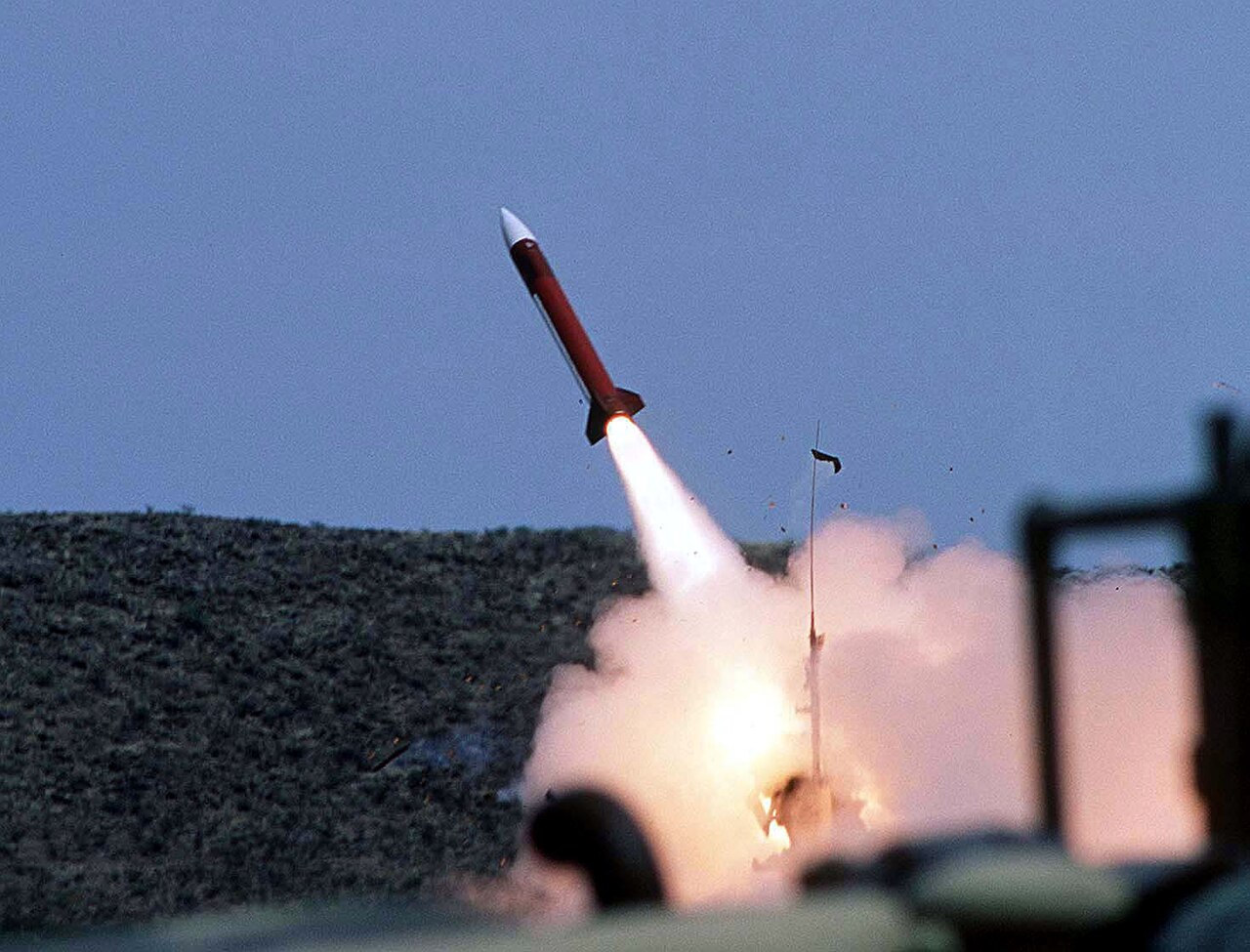
What are the Patriot PAC-2 GEM-T and PAC-3 MSE interceptors?
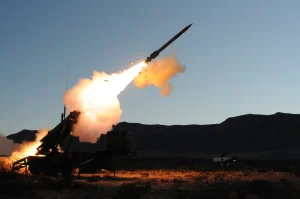
The Patriot air and missile defence system relies on two families of interceptors fired from the same launcher. The first is the PAC-2 GEM-T from Raytheon, part of RTX, an upgraded version of the classic Patriot missile carrying a fragmentation warhead that detonates close to the target. The second is Lockheed Martin’s PAC-3 MSE, which is smaller and destroys its target by direct impact, the technique known as hit-to-kill. The baseline PAC-3 missile is 5.2 metres long, weighs about 320 kg and flies at more than Mach 5.
The two missiles work together within a single battery. The GEM-T engages aircraft, cruise missiles and tactical ballistic missiles, and successive upgrades gave it a digital fuze, a low-noise front-end seeker and a modified datalink, improving its ability to pick out small targets against ground clutter. It saw combat in the 2003 Iraq war, and the fleet goes through continuing upgrade programmes with the US Army and foreign operators. Both missiles are managed by the system’s radar and fire control station, which assigns the right missile to each threat according to its type and trajectory.
How it works and what sets it apart
The PAC-3 traces back to the ERINT programme, first tested in 1992. The baseline model was declared combat-ready in August 2002 and intercepted Iraqi missiles in March 2003. Development of the MSE (Missile Segment Enhancement) began in 2007; it received a larger dual-pulse solid-fuel motor and faster-responding control surfaces, widening its intercept envelope in both altitude and range. Each MSE is packed in its own canister, so a launcher carries 12 of them, or 6 MSEs plus 8 baseline PAC-3s. Lockheed Martin says it has built more than 2,500 MSE missiles, used by 17 partner nations, and that the missile has been integrated with the IBCS command system and THAAD, while the US Navy signed a contract in 2026 to integrate it into the shipborne Aegis system.
Key specifications
| Role | Intercepting tactical ballistic missiles, cruise missiles and aircraft |
|---|---|
| Manufacturer | Raytheon (GEM-T) / Lockheed Martin (PAC-3 MSE) |
| Kill mechanism | Fragmentation warhead with digital fuze (GEM-T) / direct impact (PAC-3 MSE) |
| PAC-3 MSE propulsion | Dual-pulse solid rocket motor |
| Launcher load | 12 MSE, or 6 MSE plus 8 PAC-3 |
| First PAC-3 combat use | March 2003 |
| MSE development began | 2007 |
| PAC-3 MSE operators | 17 partner nations (according to Lockheed Martin) |