
What is an electromagnetic pulse (EMP) weapon? The difference between nuclear EMP and high-power microwave weapons
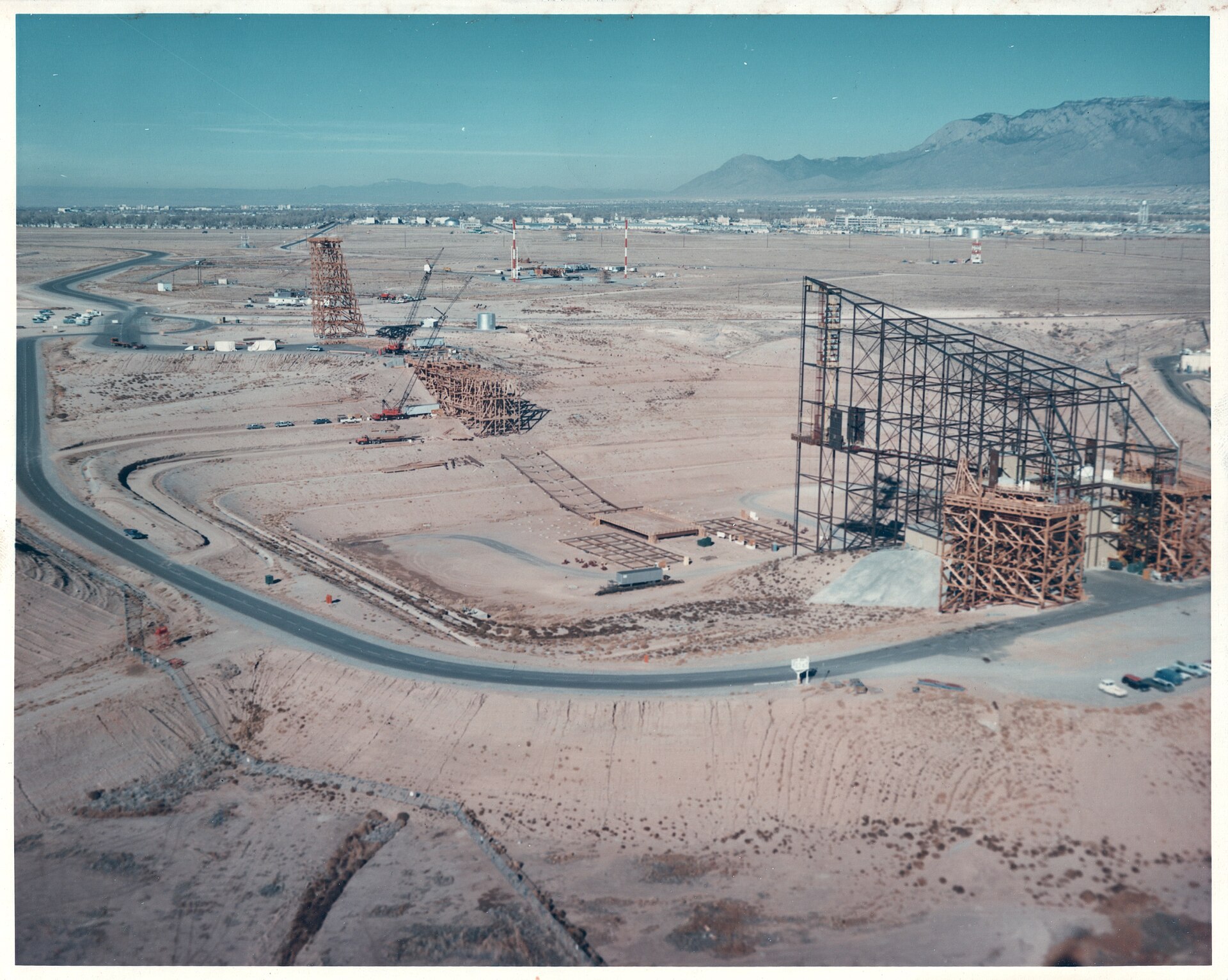
An electromagnetic pulse (EMP) weapon is any means that releases a short, intense burst of electromagnetic energy capable of disrupting or damaging electronic equipment. The US Congressional Research Service report CRS RL32544 distinguishes between two main types: the pulse produced by a high-altitude nuclear explosion (HEMP), which can cover wide areas, and non-nuclear high-power microwave (HPM) weapons, whose effect is limited and directed. No nuclear EMP weapon is known to have been used in war to date.
The two types of EMP weapon
| Criterion | High-altitude nuclear pulse (HEMP) | High-power microwave (HPM) |
|---|---|---|
| Source | A nuclear detonation at an altitude of tens to hundreds of kilometres | Non-nuclear electrical or explosive generators |
| Area of effect | Very wide (regional) | Limited and directed |
| Targets | Power grids, communications and unhardened electronics | The electronics of a specific vehicle, drone or building |
| Status | Effects observed in historical nuclear tests | Systems under development and testing, some of them counter-drone |
How does the nuclear pulse work?
When a nuclear weapon explodes at high altitude, gamma rays interact with the atmosphere to produce fast electrons that generate a powerful electromagnetic field reaching the Earth’s surface within fractions of a second. This pulse can induce high currents in cables and electronic circuits. Effects of this kind were observed during the US “Starfish Prime” test in 1962.
The three components of the nuclear pulse (E1, E2 and E3)
CRS report RL32544 explains that a high-altitude nuclear explosion produces three successive waves of energy that differ in duration and effect, and that it is their combination that makes the pulse so destructive to electronics:
| Component | Approximate duration | Nature | What it affects most |
|---|---|---|---|
| First (E1) | Up to one microsecond | Resembles very intense, fast-rising static electricity | Every electronic device in line of sight of the burst; it may damage the protective devices themselves |
| Second (E2) | Immediately follows the first | Resembles a lightning strike | Systems that lost their protection after the first component |
| Third (E3) | From a microsecond to several seconds | A slow “magnetohydrodynamic” signal caused by distortion of the Earth’s magnetic field | Long power and communication lines and transmission networks |
The report notes that the first component is produced by all nuclear weapons, small or large, whereas the third component is usually associated with higher-yield bombs because it depends on the total energy of the explosion. It also explains that the effect peaks with detonations at altitudes above 30,000 metres, and that the pulse is too short to allow a harmful current to pass through the human body.
What did historical tests reveal?
- Starfish Prime (1962): according to the report, the US nuclear test over the Pacific disrupted radio stations and electronic equipment in parts of Hawaii, about 800 miles (roughly 1,300 km) away.
- Soviet tests (1962): burned-out surge protection devices, power supply failures and damage to overhead and buried cables were recorded at distances of up to 600 km.
- Partial Test Ban Treaty (1963): it banned nuclear explosions in the atmosphere, in outer space and under water; since then, the study of the nuclear pulse has relied on simulation and limited testing rather than actual experiments.
High-power microwave weapons
HPM weapons belong to the category of “directed-energy weapons” alongside lasers, and are increasingly used to counter drone swarms because they can disable more than one target at the same time. Read more: What is a counter-drone laser weapon?, Iron Beam, and FPV kamikaze drones.
The CRS report adds that a microwave pulse can be generated in several ways, including a “magnetic flux compression generator”, which converts a chemical explosion inside a copper coil into an intense electromagnetic field, or by using powerful batteries and capacitors that allow reuse. The energy is directed at a specific target by a special antenna. Because HPM waves are shorter and of higher frequency than the nuclear pulse, they are more effective against electronics and harder to harden against, but they operate over a much shorter range. The report states that longer exposure to high HPM energy may cause physical harm to anyone standing near the source or in the path of the focused beam, unlike the nuclear pulse.
How do armed forces protect themselves?
- Electromagnetic shielding: isolating sensitive equipment inside metal enclosures (a Faraday cage).
- Protecting cables and entry points: with filters and surge protection devices.
- Testing: exposing aircraft and systems to simulated pulses, as at the US “Trestle” facility shown in the image.
- Military standards: the US Department of Defense published MIL-STD-188-125 to protect ground-based command and control facilities from high-altitude nuclear EMP.
- Cost: the CRS report cites estimates that hardening military systems against HEMP and HPM adds 2% to 3% to the total cost if built into the original design, and 3% to 10% when retrofitting existing equipment.
The report points to a striking paradox: older electrical components such as vacuum tubes withstand the pulse better than modern miniaturised electronic circuits, so newer infrastructure may be more vulnerable to disruption than older systems.
Why does this matter in the Arab region?
Power grids, water desalination, communications and airports in the region increasingly rely on SCADA-type digital control systems, a category the CRS report describes as sensitive to the pulse. Arab armed forces are also moving towards electronics-heavy air defence systems, aircraft and drones. In practice, therefore, the EMP debate is linked more to hardening standards for critical infrastructure and command facilities than to nuclear attack scenarios.
Frequently asked questions
Is the EMP weapon real?
Yes. The electromagnetic pulse phenomenon is scientifically proven, and non-nuclear HPM weapons are actually being developed; the wartime use of a nuclear pulse, however, has never happened.
Does EMP affect humans?
The main effect is on electronics, not directly on the human body, but the nuclear explosion that causes it is dangerous in itself.
What is the difference between EMP and a laser weapon?
A laser concentrates light energy on a point to cause thermal damage, whereas EMP targets electronic circuits with induced electrical currents.
Do cars break down because of EMP?
The CRS report states that both HEMP and HPM may permanently disable vehicles with modern electronic ignition and control systems, while older components withstand the pulse to a greater degree.
What was the Starfish Prime test?
A US high-altitude nuclear test over the Pacific in 1962, whose pulse disrupted electronic equipment in Hawaii about 800 miles away.
Main image: the US “Trestle” facility for testing aircraft resistance to electromagnetic pulse. Source: US Air Force via Wikimedia Commons – public domain.
