
What is close air support (CAS)? And how is it coordinated with ground forces?
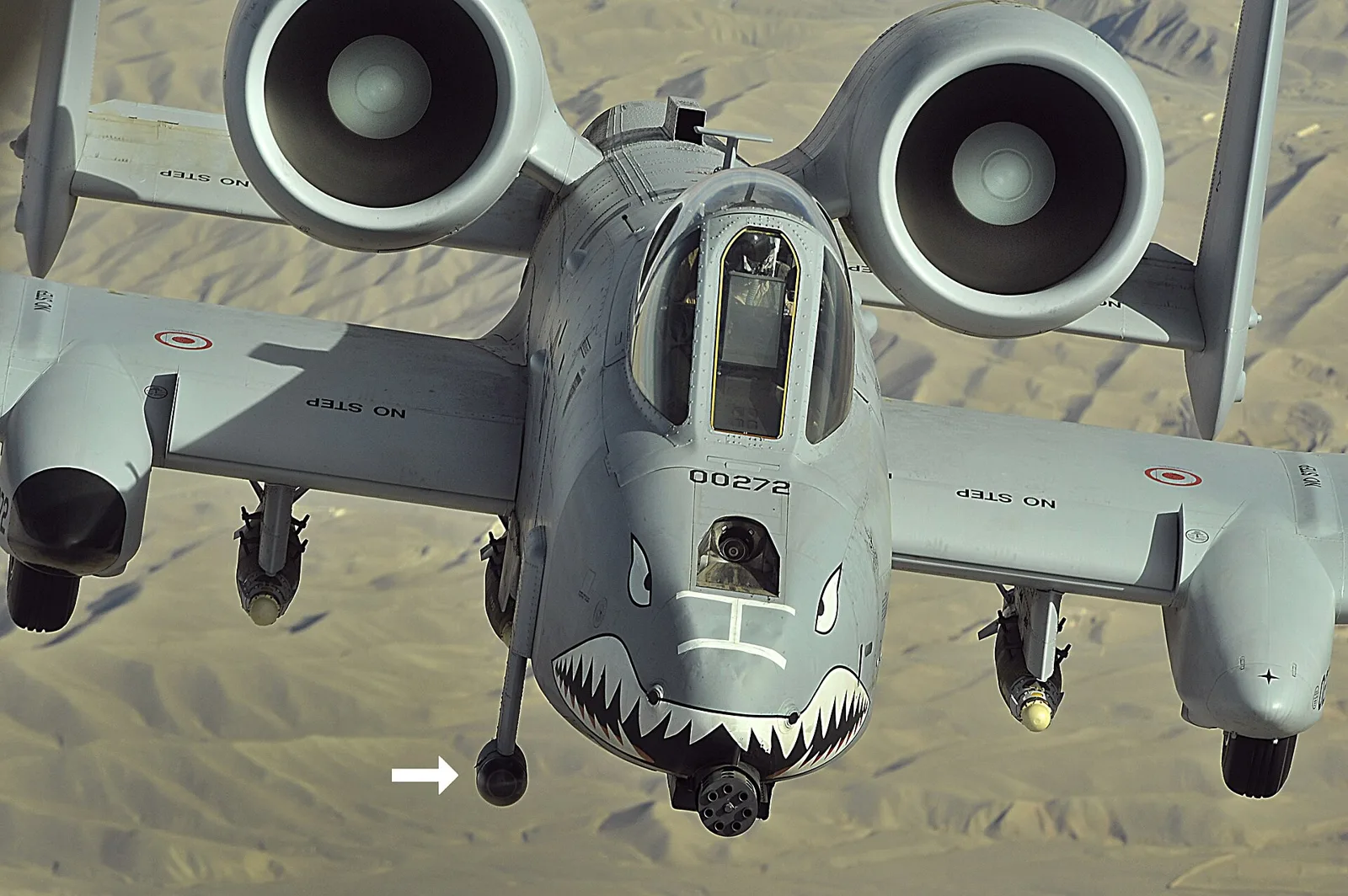
The short answer: Close Air Support (CAS) is aircraft striking hostile targets close to friendly ground forces, in precise coordination with the fire and movement of those forces. US joint doctrine (JP 3-09.3) defines it as air action by aircraft against hostile targets that are in close proximity to friendly forces and that requires detailed integration of each air mission with the fire and movement of those forces. The glossary of Türkiye’s Presidency of Defence Industries (SSB) defines it as the destruction of enemy targets by air elements in order to support ground operations and their firepower.
What does “close” mean in close air support?
Doctrinal publication JP 3-09.3 explains that the word “close” does not denote a fixed distance but is situational. The decisive criterion is the mission’s need for detailed coordination with ground forces because of the target’s proximity to them, which raises the risk of hitting friendly forces if the coordination is not controlled.
Close air support and air support in general
| Term | Meaning |
|---|---|
| Air Support | According to the SSB glossary: an air operation that directly supports other ground, naval or air forces |
| Close Air Support (CAS) | Striking targets close to friendly forces in detailed coordination with their fire and movement |
| Air Interdiction | Striking enemy forces and supplies far from the line of contact before they reach the battle; it does not require the same detailed coordination |
Who guides the aircraft to the target?
The pivotal role is played by the Joint Terminal Attack Controller (JTAC). US doctrine describes the JTAC as a qualified service member who, from a forward position, directs the action of combat aircraft engaged in close air support and other offensive air operations. The controller identifies the target and describes it to the pilot, and may designate it with a laser for guided munitions, as explained in our article on the targeting pod. The process relies on data links and secure communications.
Close air support platforms
- Aircraft designed for the mission: the US Air Force says the A-10 Thunderbolt II is its first aircraft designed specifically for close air support. It carries a 30 mm GAU-8/A cannon that fires 3,900 rounds per minute, and the pilot is protected by titanium armour. In the Gulf War, A-10s flew about 8,100 sorties and fired 90% of the AGM-65 Maverick missiles, according to the official fact sheet.
- Multirole fighters: perform the mission with laser- or GPS-guided bombs, such as JDAM.
- Attack helicopters: such as the Apache; see Why Qatar chose the AH-64E and the Turkish T129 ATAK helicopter.
- Armed drones: see The difference between UAV and UCAV and the MAM-L munition.
Why does close air support matter for Arab armies?
Many Arab armies fight in environments where ground units depend on immediate air support, such as counter-terrorism operations and border protection. Owning aircraft is not enough to achieve this; it also requires qualified controllers, communication networks and joint procedures that prevent friendly-fire incidents. Details of these capabilities are not usually made public.
Information status: the definitions are confirmed from US joint doctrine and the SSB glossary. The A-10 figures are confirmed from the official US Air Force fact sheet.
Frequently asked questions
What is close air support?
Aircraft striking hostile targets close to friendly ground forces, in detailed coordination with their fire and movement.
What is the difference between close air support and air interdiction?
Close support strikes targets in contact with friendly forces and requires detailed coordination with them. Interdiction strikes the enemy and its supplies far from the line of contact.
Who is the JTAC?
A qualified service member who directs aircraft from a forward position on the ground towards targets in close air support missions.
Can drones carry out close air support?
Yes. Armed drones capable of long loiter times are used for this mission, provided the same coordination with ground forces is in place.
Read more: Encyclopedia of defence terms.
Information verified on: 3 November 2026.
Sources
- US Joint Chiefs of Staff – JP 3-09.3 Close Air Support (FAS copy)
- US Air Force – A-10C Thunderbolt II Fact Sheet
- Presidency of Defence Industries of Türkiye – Savunma Sanayii 360 glossary
Image: an A-10 Thunderbolt II on a close air support mission over Afghanistan, 7 October 2008 (photo: Staff Sgt. Aaron Allmon / US Air Force, public domain via Wikimedia Commons).
