
China’s Satellite Grabbers: What Shijian-21 and Shijian-25 Really Showed in Orbit
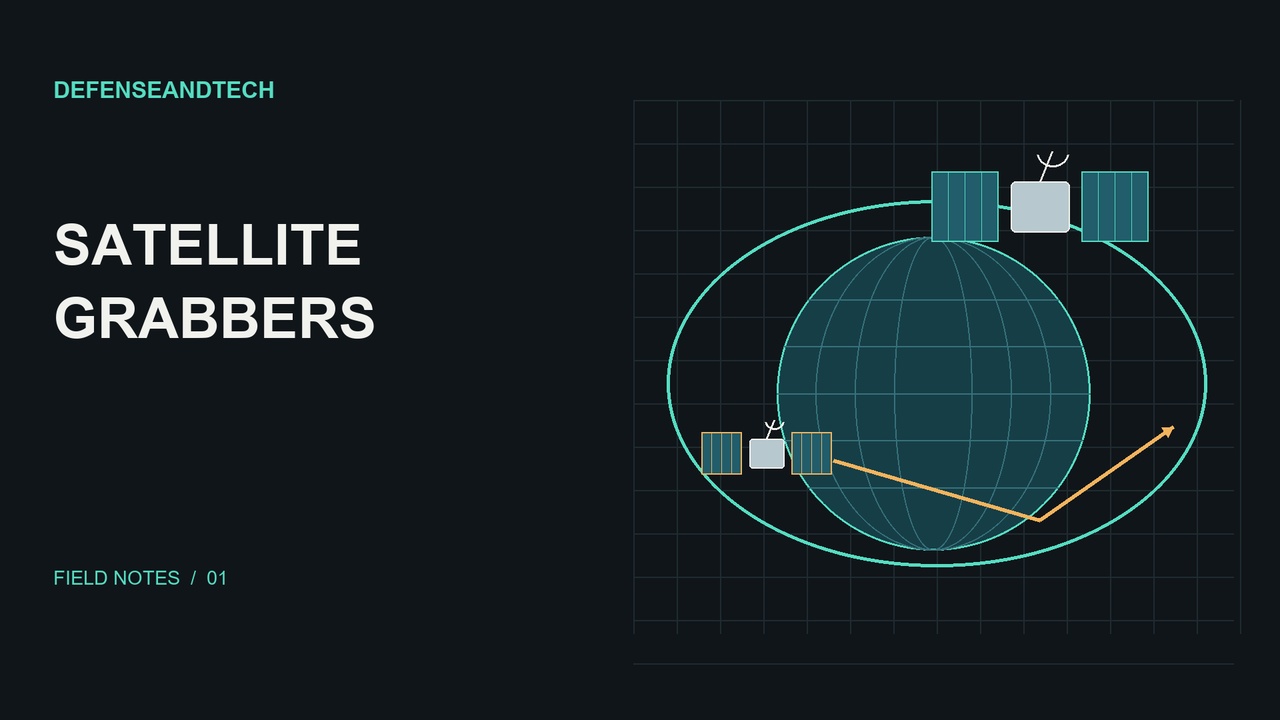
A satellite does not have to explode to become useless. That is the starting point for understanding why two Chinese spacecraft, Shijian-21 and Shijian-25, have drawn so much attention from Western defense officials, and why the headlines about “satellite grabbers” deserve a closer look.
A dead satellite, moved
In 2022, Shijian-21 moved a defunct BeiDou navigation satellite out of the geostationary belt, roughly 36,000 kilometers above the equator, and into a disposal orbit above it. U.S. official assessments describe the maneuver as evidence of a capability with potential counterspace uses.
The limits matter. The object was already out of service, and the reported result was relocation, not an attack on an active foreign spacecraft. Still, getting close to another object and handling it without losing control is exactly the skill set that satellite servicing requires, and the same skill set that worries military planners when consent and intent are unclear.
Refueling changes the equation
Shijian-25 launched on 7 January 2025. China’s official announcement described a test of orbital refueling and technologies to extend satellite life. In testimony published in March 2026, U.S. Space Command assessed that a docking and refueling demonstration likely extended Shijian-21’s mission life.
“Likely” is the operative word: it signals an assessment, not full public visibility of the operation. The engineering consequence is clearer. A spacecraft that can replenish propellant gains time and freedom to maneuver, which is where maintenance, commercial economics and military mobility begin to overlap.
Counterspace is more than robotic arms
American assessments describe a broader Chinese portfolio that includes missiles, jammers, lasers and maneuvering spacecraft. These are not interchangeable tools, and a reported capability is not proof that it was used in any given incident. A jammed radio link, a blinded sensor and a destroyed satellite are very different outcomes.
Destruction also carries a shared cost. The European Space Agency’s statistics, updated on 2 November 2026, list roughly 47,000 regularly tracked objects in orbit. Debris from a destructive test threatens every operator, including the country that caused it.
How to read the next headline
The video proposes a simple test: separate the observation (a launch, an approach, a docking), the interpretation (what analysts believe it could enable) and the claim about intent. A close approach can merit concern without proving an attack, and an official peaceful description can be incomplete without making every darker theory true. That framework applies to every spacefaring nation, not only China.
This report accompanies the video above from DefenseandTech, Defence Arabia’s English-language partner channel, part of the Defense Vision series. Research checked on 7 November 2026; the full source list and footage credits are in the video description on YouTube.